

Digital Marketing Strategies for the Modern Business

Digital Marketing Strategies for the Modern Business In today’s rapidly evolving business landscape, digital marketing is no longer just an option—it’s a necessity. From startups to global corporations, every business is expected to have a strong digital presence. But the real question is: how do modern businesses not only exist online but thrive? With countless tools, platforms, and trends, navigating the digital space can feel overwhelming. That’s where clear strategies, rooted in current trends and human behavior, come in. Whether you’re a business owner, marketer, or aspiring professional, understanding modern digital marketing strategies can be your biggest asset. Let’s dive into the key digital marketing strategies that drive real results in today’s world. 1. Search Engine Optimization (SEO): Be Found First The foundation of digital success starts with visibility. SEO helps your website show up when customers search online. Imagine someone searching for “best handmade soaps near me”—if your business ranks on the first page, you’re already ahead. Modern Tips: Focus on local SEO – especially if your business has a physical location. Optimize for voice search – people now speak their searches. Create quality content consistently – blogs, guides, FAQs. Many professionals looking to master these SEO techniques are now enrolling in quality-focused Digital Marketing Training in Chennai, where they get hands-on practice with real-time projects. 2. Content Marketing: Educate, Entertain, Engage Content is no longer just about selling. It’s about building trust, adding value, and creating relationships. Businesses that provide useful, relevant content stand out. Effective Content Ideas: How-to guides Product comparisons Behind-the-scenes videos Customer success stories Interactive content like polls or quizzes Great content answers questions before they’re even asked. And remember, storytelling always wins. Make your content human, relatable, and authentic. 3. Social Media Marketing: Where Your Audience Lives Social media isn’t just for sharing selfies anymore—it’s a powerful tool for connection and growth. Whether it’s Facebook, Instagram, LinkedIn, or even TikTok, each platform gives businesses a chance to engage with their audience in creative ways. Tips for Success: Post consistently, but with quality. Use platform-specific strategies (e.g., Reels on Instagram, carousels on LinkedIn). Engage! Reply to comments, messages, and mentions. Use social media listening to understand your audience’s needs. Trained digital marketers who understand these nuances often come from structured programs like Digital Marketing Training in Chennai, where platform-specific strategies are taught in detail. 4. Email Marketing: Still One of the Best ROI Tools Email isn’t dead—it’s evolving. When done right, it offers one of the highest returns on investment among all marketing channels. Modern Email Tactics: Segment your list based on interests or behavior. Personalize your emails (not just using names, but real relevance). Use automation tools for welcome series, abandoned cart reminders, etc. Keep it short, value-packed, and visually appealing. A well-crafted email can remind a customer of your brand at just the right moment. 5. Pay-Per-Click Advertising (PPC): Instant Visibility While organic growth is essential, sometimes speed matters. PPC campaigns on Google, YouTube, and social media platforms allow you to put your brand in front of a targeted audience almost immediately. Things to Remember: Know your audience and target them smartly. Use compelling copy and eye-catching creatives. Track conversions, not just clicks. A/B test your ads for continuous improvement. Mastering PPC requires both analytical skills and creative thinking—something that top institutes offering Digital Marketing Training in Chennai focus heavily on during practical sessions. 6. Influencer Collaborations: Leverage Existing Trust Today’s consumers trust people more than brands. Influencer marketing taps into that trust. You don’t always need big celebrities—micro-influencers with loyal followings often bring better engagement. Influencer Strategy Tips: Collaborate with influencers who align with your brand values. Focus on long-term partnerships. Allow them to create content in their style—authenticity matters. This trend is expected to grow even more, especially with newer platforms and AI-powered analytics tools helping brands pick the right influencers. 7. Video Marketing: Capture Attention Fast With attention spans shrinking, video is the format that gets noticed. Whether it’s short-form content on Instagram Reels or in-depth explainer videos on YouTube, businesses using video see better engagement and conversion rates. Video Strategy Tips: Use subtitles—most people watch without sound. Start strong—hook viewers in the first 3 seconds. Repurpose videos into blog posts, shorts, and social media clips. Show your team, your process, and your happy customers. Modern digital marketing learners often practice creating these types of videos during Digital Marketing Training in Chennai, helping them become versatile professionals. 8. Analytics and Data-Driven Decisions No matter how creative your strategies are, data is your compass. The best businesses track everything—from user behavior to campaign performance—and make decisions based on real insights. What to Track: Website traffic sources Click-through rates (CTR) Bounce rates Customer lifetime value (CLV) Social media engagement With tools like Google Analytics, Meta Business Suite, and email tracking tools, making smart decisions has never been easier. 9. Mobile-First Strategy: Optimize for the Small Screen More than 70% of web traffic comes from mobile. If your website isn’t mobile-friendly, you’re losing potential customers. Mobile Marketing Focus: Responsive web design Fast-loading pages Mobile-first emails Mobile ads with thumb-stopping visuals Google’s algorithm also gives preference to mobile-optimized sites, so it’s not just about experience—it impacts your ranking too. 10. Upskill Your Team: Knowledge is Power The digital landscape changes constantly. What worked 6 months ago might not work today. That’s why upskilling is a non-negotiable. Business owners and professionals in Chennai have recognized this and are increasingly turning to Digital Marketing Training in Chennai to stay updated and competitive. These programs offer training in SEO, PPC, content marketing, and analytics—all aligned with current industry demands. Final Thoughts Digital marketing is not a one-size-fits-all solution. It’s a dynamic combination of creativity, data, and strategy. Modern businesses must stay agile, constantly test new ideas, and learn from the results. Whether you’re building a personal brand or scaling an enterprise, digital marketing offers you the tools to connect with your audience like never before. And if you’re serious about building a strong foundation in this

Read More
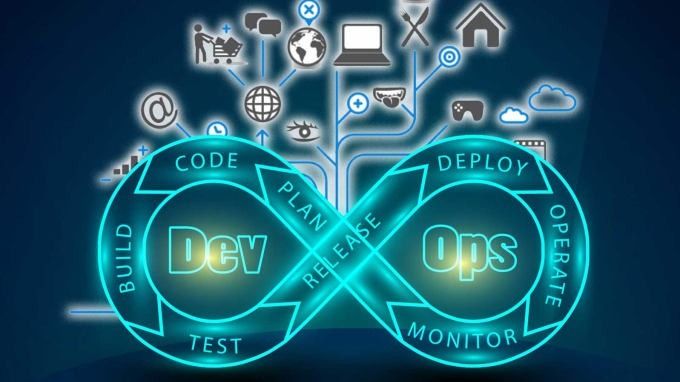

Why Every Company Needs a DevOps Engineer — And How to Become One

Why Every Company Needs a DevOps Engineer — And How to Become One In the fast-paced world of modern software development, one role has emerged as the glue between coding and deployment, innovation and operations, development and stability — the DevOps Engineer. As more companies shift toward agile, cloud-based environments, the need for DevOps professionals is not just growing — it’s becoming essential. This blog explores why every company needs a DevOps engineer, what exactly they do, and how you can become one in 2025. Whether you’re a developer, system admin, or fresher, this is your complete guide to entering one of the most in-demand tech roles. And if you’re based in Chennai, the DevOps Engineer Course in Chennai is your gateway to mastering these skills. The Evolution of Software Development: Why DevOps Matters Before DevOps, software development and IT operations worked in silos. Developers would write code and “throw it over the wall” to operations, who would then struggle to deploy and maintain it. This led to: Delayed releases Miscommunication Frequent system failures Customer dissatisfaction DevOps is a culture, a mindset, and a set of practices that integrates development (Dev) and operations (Ops) to improve collaboration, speed up delivery, and ensure system reliability. The DevOps Engineer Course in Chennai teaches this integration in real-world scenarios. What Does a DevOps Engineer Really Do? DevOps engineers play a critical role in modern tech teams. They automate workflows, monitor infrastructure, manage CI/CD pipelines, and ensure faster, safer deployments. Key Responsibilities Include: Creating automated CI/CD pipelines Managing infrastructure as code (IaC) Monitoring system performance and availability Collaborating with developers and IT teams Ensuring security throughout the lifecycle A DevOps engineer is part developer, part sysadmin, part quality analyst, and part cloud architect — making them indispensable. The DevOps Engineer Course in Chennai helps you gain these multidisciplinary skills. Why Every Company Needs a DevOps Engineer Here’s why DevOps is no longer optional — it’s mission-critical for modern businesses: 1. Faster Time to Market DevOps automates builds, tests, and deployments, helping businesses release products faster. A DevOps Engineer Course in Chennai prepares you to contribute immediately. 2. Improved Security and Compliance By integrating security into development (DevSecOps), companies can identify vulnerabilities early. The DevOps Engineer Course in Chennai emphasizes secure deployment practices. 3. Reduced Downtime and Failures Continuous monitoring and rapid rollback capabilities help minimize service outages and user impact. 4. Better Collaboration Between Teams DevOps fosters shared ownership and accountability. The DevOps Engineer Course in Chennai trains you in collaborative workflows. 5. Increased Efficiency and Lower Costs Automation reduces manual work, human error, and infrastructure costs. In short, DevOps engineers make tech operations smarter, faster, and safer. That’s why startups, MNCs, and even non-tech companies are hiring them at record speed. Completing a DevOps Engineer Course in Chennai gives you the competitive advantage. DevOps in Action: Real-World Examples Amazon deploys new code to production every 11.7 seconds thanks to DevOps. Netflix uses DevOps to scale infrastructure and deliver seamless streaming worldwide. NASA applies DevOps to manage cloud infrastructure for space missions. Whether it’s e-commerce, entertainment, finance, or logistics — DevOps is at the core of digital transformation. Learning through a DevOps Engineer Course in Chennai equips you for these real-world applications. Skills You Need to Become a DevOps Engineer DevOps isn’t tied to one tool or language — it’s about combining mindset, coding, automation, and collaboration. Here are the must-have skills: 1. Programming/Scripting Languages like Python, Bash, or Shell scripting are essential for automation tasks. 2. Linux Fundamentals Most servers run on Linux — understanding commands, permissions, and shell is foundational. 3. Version Control Git & GitHub are critical for source code management and collaboration. 4. CI/CD Tools Jenkins, GitLab CI, CircleCI — these help you build and deploy code automatically. 5. Cloud Platforms AWS, Azure, or Google Cloud — cloud knowledge is mandatory in 2025. 6. Containerization & Orchestration Master Docker and Kubernetes to deploy scalable, isolated applications. 7. Monitoring Tools Prometheus, Grafana, Nagios — for tracking system performance and resolving issues proactively.  The DevOps Engineer Course in Chennai covers all these skills with hands-on labs and projects. DevOps Roadmap: From Beginner to Pro Here’s a simplified path to becoming a DevOps engineer in 2025: Step 1: Learn Linux + Git + Scripting Start with the basics — command-line tools, Git, and scripting. Step 2: Get Familiar with Cloud & Networking Understand virtual machines, VPCs, load balancers, and cloud services. Step 3: Learn CI/CD Pipelines Build pipelines using Jenkins or GitHub Actions. Step 4: Dive into Docker & Kubernetes Containerize your apps and deploy them using orchestration tools. Step 5: Automate Everything Explore Terraform or Ansible for Infrastructure as Code. Step 6: Monitor & Secure Implement logging, monitoring, and security best practices. Step 7: Join a DevOps Engineer Course in Chennai Learning on your own can be overwhelming. A structured program can help you master tools with real-time projects. Learn DevOps the Right Way — With Expert Training in Chennai If you’re looking to break into this high-demand career, it’s important to learn from the right source. At Trendnologies, you can enroll in a DevOps engineer course in Chennai that is built for 2025 tech requirements. Why Trendnologies? Learn from industry professionals with real-world experience Get access to hands-on labs and live projects Build CI/CD pipelines, work with cloud platforms, and deploy microservices Receive placement support and interview guidance Recognized as one of the best software training institutes in Chennai Whether you’re a beginner or already in tech, Trendnologies’ DevOps Engineer Course in Chennai will help you gain the confidence to crack job interviews and work on real projects. DevOps Engineer Salary and Career Opportunities Here’s what makes DevOps a lucrative career choice in 2025: Salary Trends in India Entry-level: ₹5–8 LPA Mid-level (2–5 yrs): ₹10–18 LPA Senior roles: ₹20+ LPA Freelancers & consultants earn even more on international projects Roles You Can Explore DevOps Engineer Site Reliability Engineer (SRE) Cloud DevOps Engineer Automation Engineer DevSecOps Engineer Companies like TCS, Infosys,

Read More

The Complete Guide to Becoming a Full Stack Developer in 2025

The Complete Guide to Becoming a Full Stack Developer in 2025 In today’s fast-paced digital economy, full stack developers are the Swiss Army knives of the tech industry. With the ability to build both client-side and server-side software, they offer versatility, efficiency, and holistic development expertise. As we enter 2025, the demand for full stack developers is soaring, driven by startup innovation, enterprise digitization, and the rise of AI-powered applications. Whether you’re a fresh graduate, career switcher, or tech enthusiast, this guide will walk you through everything you need to become a successful full stack developer in 2025 — from skills to tools, trends, and roadmaps. Choosing the right Full Stack Developer Course in Chennai can give you a head start. What Is a Full Stack Developer? A full stack developer is proficient in both front-end (what users see) and back-end (how the system works behind the scenes) technologies. They can design, develop, deploy, and maintain web applications end-to-end. Unlike specialized developers, full stack developers understand the entire project architecture and can work on both the client interface and server infrastructure. Enrolling in a Full Stack Developer Course in Chennai ensures you gain this holistic knowledge. Why 2025 Is the Best Time to Become One Cross-Platform Demand Is Higher Than Ever:With businesses adopting multi-device strategies, the need for developers who can build across platforms — web, mobile, and cloud — is growing. A Full Stack Developer Course in Chennai equips you with this flexibility. Rise of the Startup Economy:Startups often look for developers who can wear multiple hats. Completing a Full Stack Developer Course in Chennai gives you a competitive edge when applying for such dynamic roles. AI Integration and Automation:Modern applications integrate AI tools like chatbots, recommendation engines, and analytics. Full stack developers trained via a Full Stack Developer Course in Chennai are especially sought after. Front-End Skills You Need in 2025 Front-end development is the user-facing part of web development. Here are the essential tools and frameworks to master: 1. HTML5, CSS3, and JavaScript (ES6+) These form the foundation of the web. Mastering semantic HTML, responsive CSS, and modern JavaScript syntax is non-negotiable. 2. Front-End Frameworks React.js (still dominant in 2025) Vue.js (popular for smaller projects) Next.js (ideal for SEO-friendly web apps) 3. UI Libraries and Tools Tailwind CSS for utility-first styling Material UI for React components Framer Motion for animations 4. Web Accessibility & Performance Optimization 2025’s developers must consider WCAG guidelines, lazy loading, image compression, and other performance practices. Back-End Skills That Set You Apart While front-end is what users interact with, back-end handles data processing, business logic, and storage. 1. Server-Side Languages Node.js (JavaScript runtime) Python (with Django or Flask) Java (for enterprise-level apps) Go (for performance-centric applications) 2. Databases SQL: PostgreSQL and MySQL NoSQL: MongoDB and Firebase Realtime Database Know when to use relational vs. non-relational databases. 3. RESTful APIs & GraphQL APIs are the bridge between front-end and back-end. Understand how to build, consume, and secure APIs. 4. Authentication & Authorization Use tools like OAuth, JWT, and Passport.js for secure user sessions and data access. A well-structured Full Stack Developer Course in Chennai will cover all these areas. DevOps and Deployment Knowledge Understanding deployment is crucial. Most Full Stack Developer Courses in Chennai include: 1. Version Control Systems Git & GitHub/GitLab Know how to create branches, resolve conflicts, and collaborate using pull requests. 2. CI/CD Pipelines Jenkins, GitHub Actions, or GitLab CI for continuous integration Automate testing and deployment 3. Hosting Platforms Vercel or Netlify for front-end Heroku, AWS, Azure, or DigitalOcean for full-stack applications 4. Docker & Containers 2025 developers should understand containerization to ensure consistent environments across development and production. Cloud Skills Are No Longer Optional Basic knowledge of AWS, Azure, or Google Cloud Platform, along with serverless architecture, is expected. Full Stack Developer Courses in Chennai now include cloud training to ensure job readiness. Basic knowledge of AWS, Azure, or Google Cloud Platform Understanding of cloud storage, load balancing, and CDNs Familiarity with serverless architecture (e.g., AWS Lambda, Firebase Functions) Tools and Tech Stack Recommendations (2025) Your stack may vary depending on your goals, but here’s a modern and scalable one: Front-end: React + Tailwind CSS + TypeScript Back-end: Node.js + Express + MongoDB Authentication: Firebase Auth or Auth0 Deployment: Vercel (front-end), Railway/AWS (back-end) Version Control: Git + GitHub Learn Full Stack Development at the Best Software Training Institute in Chennai If you’re planning to start your full stack development journey, it’s important to choose a Full Stack Developer Course in Chennai that provides hands-on projects, industry-relevant curriculum, and expert mentorship. Trendnologies, recognized as the best software training institute in Chennai, offers a comprehensive Full Stack Developer Course in Chennai that prepares you for real-world roles. At Trendnologies, you’ll gain: Practical training in React, Node.js, MongoDB, and Express Access to live projects and code reviews Interview prep and placement assistance Exposure to cloud platforms like AWS and Azure Whether you’re from a technical or non-technical background, the structured learning path ensures you’re job-ready in months through a Full Stack Developer Course in Chennai. Learning Resources to Master Full Stack Development There’s no shortage of resources in 2025 — but choosing the right ones matters. Here are categorized suggestions: Online Platforms freeCodeCamp (free and project-based) Udemy and Coursera (certification-based) Scrimba (interactive learning) Official Docs and Blogs React and Node.js official documentation CSS-Tricks, Dev.to, and Hashnode for community-driven content YouTube Channels Traversy Media The Net Ninja Fireship A Full Stack Developer Course in Chennai helps you apply these resources practically. Build a Portfolio That Gets Noticed Certifications and resumes can’t match the power of a real portfolio. Here’s how to build one that gets noticed: 1. Start With Capstone Projects Create 3-4 solid applications: A blog with CMS An e-commerce site with shopping cart and payment gateway A full-stack dashboard with charts and admin roles A social media or chat app with real-time features 2. Add to GitHub Push your code, document your commits, and write README files that explain project

Read More

Register Your Demo Slot

    Quick Enquiry


      Register to Achieve Your Dream Career


        Wait!! Don't skip your Dream Career

        Enroll Today & Start Your Learning Journey

          Get in Touch with us


            5 + 6 =