
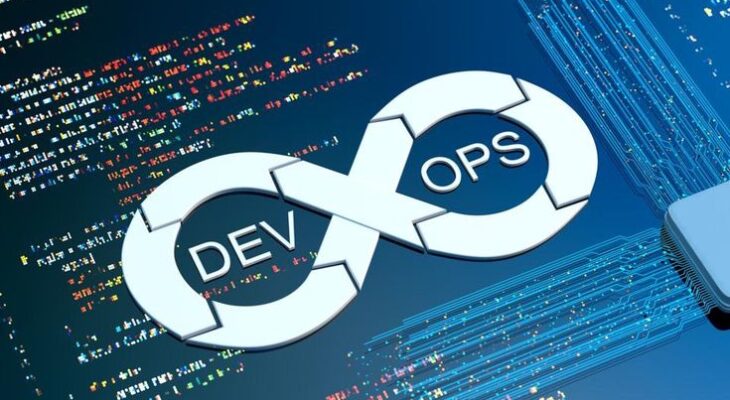
Top DevOps Tools Every Engineer Should Master in 2025

Top DevOps Tools Every Engineer Should Master in 2025 Introduction The world of software development is evolving rapidly and has become essential to modern engineering. DevOps enables faster, more efficient, and reliable software delivery by integrating development and operations. However, to fully leverage the power of DevOps, engineers must be proficient in the right tools.. As we step into 2025, mastering top DevOps tools in 2025 is more crucial than ever. Businesses are increasingly relying on automation, cloud computing, and containerization to streamline their workflows. This blog explores the top DevOps tools in 2025 that every engineer should master to stay ahead in the industry. 1. Git and GitHub/GitLab (Version Control) Why it’s Essential Version control is the backbone of modern software development. Git, along with platforms like “GitHub” and “GitLab”, enables teams to collaborate efficiently, track changes, and maintain code integrity. Key Features Distributed version control for better code management. Branching and merging to streamline workflows. Built-in CI/CD integrations with GitHub Actions and GitLab CI/CD. How to Master It Learn advanced Git commands like rebase, cherry-pick, and bisect. Set up and manage repositories in GitHub and GitLab. Automate workflows using GitHub Actions. 2. Docker (Containerization) Why it’s Essential Containerization has revolutionized application deployment. “Docker” allows developers to package applications with all dependencies, ensuring consistency across environments. Key Features Lightweight and portable containerized applications. Easy integration with Kubernetes and cloud platforms. Rapid scaling and deployment of applications. How to Master It Learn to write Dockerfiles and optimize images. Manage containers using Docker Compose. Understand networking and storage concepts in Docker. 3. Kubernetes (Container Orchestration) Why it’s Essential With the rise of microservices, “Kubernetes (K8s)” has become the go-to tool for container orchestration. It automates deployment, scaling, and management of containerized applications. Key Features Self-healing and automated rollouts/rollbacks. Load balancing and service discovery. Seamless integration with cloud providers (AWS, Azure, GCP). How to Master It Deploy and manage applications in a Kubernetes cluster. Use Helm charts for simplified application deployment. Optimize resource allocation and security in K8s. 4. Jenkins (Continuous Integration & Continuous Deployment – CI/CD) Why it’s Essential Jenkins is one of the most popular “CI/CD” tools, enabling teams to automate testing, build, and deployment pipelines. Key Features Customizable pipeline as code using Jenkinsfile. Wide range of plugins for integration with other DevOps tools. Scalable automation of build and deployment processes. How to Master It Learn to configure Jenkins pipelines using Groovy scripting. Set up automated testing with tools like Selenium. Secure Jenkins installations and manage access control. 5. Terraform (Infrastructure as Code – IaC) Why it’s Essential “Terraform” is a powerful IaC tool that allows engineers to define infrastructure using code, ensuring consistency and automation in cloud deployments. Key Features Declarative syntax for defining infrastructure. Multi-cloud support (AWS, Azure, GCP). State management for tracking infrastructure changes. How to Master It Write Terraform configurations using HashiCorp Configuration Language (HCL). Manage infrastructure state files effectively. Implement best practices for security and versioning. 6. Ansible (Configuration Management) Why it’s Essential “Ansible” automates configuration management, helping teams manage and deploy applications efficiently across multiple environments. Key Features Agentless automation using SSH. Pre-built playbooks for common DevOps tasks. Scalable deployments across cloud and on-premises infrastructure. How to Master It Write and execute Ansible playbooks. Use roles and variables for modular automation. Integrate Ansible with Jenkins for continuous deployment. 7. Prometheus & Grafana (Monitoring and Logging) Why it’s Essential Monitoring and observability are critical for maintaining system reliability. “Prometheus” collects metrics, while “Grafana” provides visualization and alerting. Key Features Real-time monitoring of infrastructure and applications. Custom dashboards for data visualization. Automated alerts for performance issues. How to Master It Set up Prometheus to scrape metrics from applications. Design Grafana dashboards with meaningful insights. Configure alerting rules to notify teams of potential issues. 8. Azure DevOps (End-to-End DevOps Solutions) Why it’s Essential Microsoft’s “Azure DevOps” provides a comprehensive suite of DevOps tools, from “CI/CD pipelines” to “artifact management”. Key Features Azure Pipelines for seamless CI/CD. Azure Repos for Git-based source control. Integrated testing and release management. How to Master It Learn to create and manage CI/CD pipelines. Use Azure Boards for agile project management. Deploy applications to Azure using DevOps workflows. Conclusion Mastering top DevOps tools in 2025 is no longer optional—it’s a necessity for engineers aiming to stay competitive in 2025 and beyond. Whether you are focusing on CI/CD, containerization, cloud automation, or monitoring, these tools form the backbone of a robust DevOps strategy. By gaining hands-on experience with top DevOps tools in 2025 like Git, Docker, Kubernetes, Jenkins, Terraform, Ansible, Prometheus, and Azure DevOps, you’ll be well-equipped to drive efficiency, reliability, and scalability in software development and deployment. The future of DevOps is about automation, agility, and seamless collaboration, and mastering these top DevOps tools in 2025 will help you stay ahead in the game. Start learning these tools today and take your engineering career to new heights in 2025! Follow us for Regular Updates & Offers

Read More


Best UI/UX Design Courses to Learn User-Centric Product Development

Best UI/UX Design Courses to Learn User-Centric Product Development Introduction In today’s digital world, user experience (UX) and user interface (UI) design play a crucial role in product success. Whether it’s a mobile app, a website, or enterprise software, a well-designed interface enhances usability and customer satisfaction. Companies across industries are investing heavily in Best UI/UX design Courses, creating a high demand for skilled professionals. If you’re looking to build a career in UI/UX design, enrolling in the  can provide you with the knowledge and hands-on experience needed to create user-friendly and engaging digital products. These courses cover essential design principles, usability testing, and prototyping techniques. In this blog, we’ll explore some of the Best UI/UX Design Courses that focus on user-centric product development and how they can help you excel in this field. Whether you’re a beginner or an experienced designer, choosing theUI/UX Design Courses can be the key to advancing your career in this fast-growing industry. Why Learn UI/UX Design? Before diving into the best courses, let’s understand why learning UI/UX design is a smart career move: High Demand for UI/UX Designers – Businesses prioritize user experience, leading to a growing demand for designers. Lucrative Career Opportunities – UI/UX professionals earn competitive salaries in tech companies, startups, and design agencies. Enhances Problem-Solving Skills – UI/UX design involves researching user needs, solving usability issues, and improving digital products. Diverse Industry Applications – From e-commerce to healthcare, every industry needs intuitive and efficient digital interfaces. Creative and Analytical Balance – UI/UX design allows you to combine creativity with data-driven decision-making. Key Skills You’ll Learn in UI/UX Design Courses A comprehensive UI/UX design course should cover: User Research & Analysis – Understanding user behavior, needs, and pain points through surveys, interviews, and analytics. Wireframing & Prototyping – Creating design blueprints and interactive prototypes using tools like Figma, Sketch, or Adobe XD. Visual Design & Branding – Learning typography, color theory, iconography, and brand consistency. Interaction Design (IXD) – Understanding how users interact with digital products and ensuring seamless navigation. Usability Testing – Conducting tests to evaluate design efficiency and improve user experience. Design Thinking & Problem-Solving – Learning a structured approach to ideation, testing, and iteration. Front-End Basics – Some courses introduce HTML, CSS, and JavaScript to help designers collaborate with developers. Best UI/UX Design Courses for User-Centric Product Development 1. Google UX Design Professional Certificate Why Choose This Course? Developed by Google, this course covers the entire UX design process from research to prototyping. Hands-on projects to build a strong UI/UX portfolio. No prior experience required, making it beginner-friendly. What You’ll Learn: UX research fundamentals Wireframing and prototyping Creating high-fidelity designs with Figma and Adobe XD Usability testing and iteration Ideal For: Beginners and aspiring UI/UX designers looking for structured learning with real-world projects. 2. Interaction Design Specialization Why Choose This Course? Covers human-computer interaction (HCI) principles and usability testing. Includes case studies from industry experts. The Best UI/UX Design Courses offer a hands-on capstone project. What You’ll Learn: Human-centered design approach Prototyping and evaluation techniques Best practices in interaction design Ideal For: Those who want an academic approach to UI/UX design 3. Nielsen Norman Group UX Certification Why Choose This Course? The Nielsen Norman Group (NNG) is one of the most respected names in UX research and design. Offers expert-level insights into usability and UX strategy. Certification is highly valued in the industry. What You’ll Learn: Advanced user research methods Visual and interaction design principles Usability testing and data-driven improvements Ideal For: Intermediate and experienced designers looking for advanced UX training. 4. Google Material Design Course Why Choose This Course? Covers Google’s Material Design principles, used in Android apps. Teaches how to create visually appealing and functional UI designs What You’ll Learn: Implementing Material Design guideline  Creating responsive interfaces Animation and micro-interactions Ideal For: Designers focusing on mobile UI/UX development can benefit from the Best UI/UX Design Courses 5. UX/UI Design Bootcamp Why Choose This Course? 6-month mentor-led program with 1-on-1 career coaching. Includes a job guarantee, meaning you get a refund if you don’t land a job. What You’ll Learn: UX fundamentals and research Wireframing and UI design Hands-on capstone projects Ideal For: Career changers and those looking for a structured, job-oriented UI/UX course. How to Choose the Right UI/UX Design Course When selecting a UI/UX course, consider the following: 🔹 Your Skill Level – Are you a complete beginner or do you have some design experience? Choose accordingly.🔹 Course Format – Some courses are self-paced, while others have mentor-led sessions. Pick one that suits your learning style.🔹 Hands-on Learning – Look for courses that offer real-world projects to build your portfolio.🔹 Certification & Recognition – Check if the certification is industry-recognized and valued by employers.🔹 Placement Support – Some programs offer career coaching and job placement assistance. Career Opportunities After Completing a UI/UX Course UI/UX designers have exciting career prospects across industries like tech, e-commerce, finance, healthcare, and gaming. Here are some roles you can pursue: UI Designer – Focuses on the look and feel of digital interfaces. UX Designer – Specializes in user research, usability, and improving product experience. Interaction Designer – Works on animations, transitions, and user interactions. Product Designer – Oversees the entire product design process, from ideation to final execution. UX Researcher – Conducts user testing and research to improve usability. Conclusion Investing in a Best UI/UX design course can open doors to exciting career opportunities in the digital world. Whether you’re a beginner or an experienced designer looking to upskill, there are plenty of courses tailored to different learning needs. Choose a course that aligns with your career goals, offers hands-on learning, and provides industry-recognized certification. With the right training, you can master user-centric product development and build a successful career in UI/UX design. Ready to start your UI/UX journey? Pick a course and get designing! Follow us for Regular Updates & Offers

Read More

Career Scope for Python Developers in Chennai’s IT Industry

Career Scope for Python Developers in Chennai’s IT Industry Introduction Python has emerged as one of the most popular programming languages in the world, revolutionizing the way businesses develop software, automate processes, and handle data. Known for its simplicity, versatility, and vast ecosystem of libraries, Python has found applications in fields such as web development, data science, artificial intelligence (AI), machine learning (ML), and automation. Chennai, a thriving IT hub in India, has witnessed a significant rise in demand for skilled Python developers. With numerous multinational companies, startups, and tech giants setting up operations in the city, Python developers have promising career opportunities. In this blog, we will explore the career scope for Python developers in Chennai’s IT industry, including job opportunities, salary trends, essential skills, and how to get started in this dynamic field.   Why is Python in High Demand? The increasing scope for Python developers across various industries can be attributed to the following factors. Easy to Learn and Use – Python’s simple syntax and readability make it ideal for beginners and experienced developers alike. Versatility – Python is used in web development, data science, automation, AI, ML, cybersecurity, and more. Strong Community Support – A vast developer community contributes to libraries, frameworks, and tools, making Python development more efficient. Enterprise Adoption – Companies like Google, Amazon, Microsoft, and IBM use Python for their applications and services. Integration with Emerging Technologies – Python seamlessly integrates with AI, ML, cloud computing, and IoT, making it a future-proof choice. Job Opportunities for Python Developers in Chennai Chennai’s IT industry offers a wide range of job roles, highlighting the growing scope for Python developers across different domains. Some top career options include: 1. Python Developer Develop, test, and maintain Python-based applications. Work with frameworks like Django and Flask for web development. Implement back-end logic for web services and applications. 2. Data Scientist Use Python for data analysis, visualization, and machine learning. Work with libraries like NumPy, Pandas, Matplotlib, and Scikit-learn. Solve business problems using data-driven insights. 3. Machine Learning Engineer Build AI-powered applications using TensorFlow and PyTorch. Develop predictive models for automation and decision-making. Work with large datasets and train machine learning algorithms. 4. Web Developer (Full Stack Python Developer) Develop dynamic and scalable web applications using Django and Flask. Integrate databases, front-end frameworks, and APIs. Optimize web performance and security. 5. Automation Engineer Automate repetitive tasks using Python scripts. Work with Selenium for web automation. Develop test automation frameworks for software testing 6. DevOps Engineer Use Python for automating cloud deployment and CI/CD pipelines. Work with cloud platforms like AWS, Azure, and Google Cloud. Manage containerized applications using Docker and Kubernetes 7. Cybersecurity Analyst Use Python for penetration testing and network security. Automate threat detection and vulnerability assessments. Develop security solutions to prevent cyber threats. 8. Game Developer Develop interactive games using Python and Pygame. Implement AI-based game mechanics and simulations. Optimize game performance using Python’s gaming libraries. Top Industries Hiring Python Developers in Chennai Python’s versatility has led to its adoption across multiple industries. The scope for Python developers is expanding, with top sectors in Chennai actively hiring. 1. IT & Software Development Chennai’s IT companies use Python for software applications, web development, and enterprise solutions. 2. Data Science & Analytics With Python being a preferred language for data science, many analytics firms in Chennai hire data scientists and ML engineers. 3. Banking & Finance Financial institutions use Python for risk analysis, fraud detection, and algorithmic trading. 4. Healthcare & Pharmaceuticals Python is used for medical imaging, patient data management, and drug discovery. 5. E-commerce & Retail E-commerce companies in Chennai rely on Python for data analysis, recommendation systems, and backend development. 6. Startups & Product Development Many startups prefer Python for its agility, enabling them to build scalable and cost-effective solutions. Salary Trends for Python Developers in Chennai The salary of Python developers in Chennai varies based on experience, skill set, and job role. Fresher (0-2 years) – ₹3.5 – ₹6 LPA Mid-level (2-5 years) – ₹6 – ₹12 LPA Senior (5+ years) – ₹12 – ₹20+ LPA Note: Salaries may vary depending on the company, location, and market demand. Essential Skills for Python Developers To succeed as a Python developer in Chennai’s competitive job market, you need to master key technical and soft skills. Technical Skills Core Python Programming – Data types, loops, functions, OOP concepts. Frameworks – Django, Flask for web development. Database Management – SQL, PostgreSQL, and MongoDB. Data Science & ML – NumPy, Pandas, TensorFlow, and Scikit-learn. Automation & Scripting – Selenium, BeautifulSoup. Cloud Computing – AWS, Azure, Google Cloud. Version Control – Git, GitHub. RESTful APIs – API development and integration. Soft Skills Problem-Solving Ability – Writing efficient and scalable code. Communication Skills – Collaborating with teams and presenting ideas. Adaptability – Keeping up with evolving technologies. Analytical Thinking – Understanding and interpreting data. How to Start a Career as a Python Developer in Chennai? If you’re aspiring to become a Python developer, follow these steps to build a successful career and explore the growing scope for Python developers 1. Learn Python from Scratch Start by understanding the basics of Python programming and gradually move to advanced topics. 2. Work on Real-World Projects Practical experience is crucial. Build projects like: Web applications using Django/Flask. Data analysis dashboards. AI-powered chatbots. 3. Get Certified Enrolling in certification courses can enhance your credibility. Some popular Python certifications include: Certified Entry-Level Python Programmer (PCEP) Certified Associate in Python Programming (PCAP) Microsoft Certified: Azure AI Engineer Associate 4. Participate in Coding Challenges & Hackathons Join platforms like LeetCode, HackerRank, and Kaggle to improve problem-solving skills. 5. Apply for Internships & Jobs Internships provide hands-on experience and increase job opportunities. Look for internships in Chennai’s leading tech companies. 6. Keep Learning & Stay Updated Python is continuously evolving. Stay updated by following: Python documentation. Online courses on Udemy, Coursera, and edX. Tech blogs, webinars, and industry trends. Conclusion The career scope for Python developers in Chennai is

Read More

Register Your Demo Slot

    Quick Enquiry


      Register to Achieve Your Dream Career


        Wait!! Don't skip your Dream Career

        Enroll Today & Start Your Learning Journey

          Get in Touch with us


            5 + 6 =