

-
By: TrendnologiesAdmin
- September 29, 2025
Machine Learning vs Data Science – Key Differences Explained
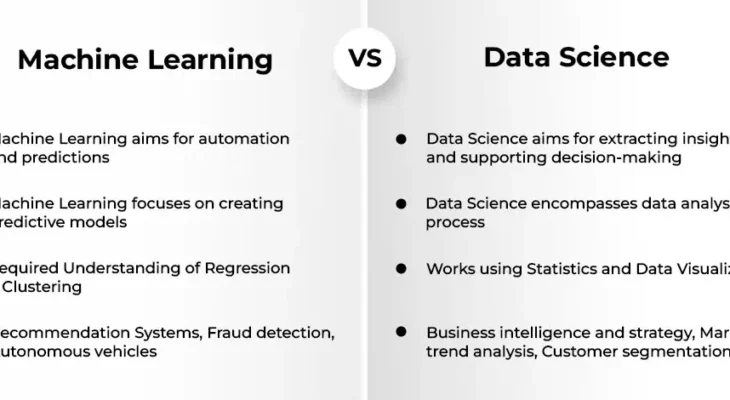
Machine Learning vs Data Science – Key Differences Explained In today’s data-driven world, two terms often dominate conversations in tech: Machine Learning (ML) and Data Science. While they are closely related, they are not the same. If you’re looking to build a career in the booming field of artificial intelligence and data analytics, it’s crucial to understand the differences between Machine Learning and Data Science. This blog explains what each field means, how they overlap, the key differences, and which one might be right for your career path.know more Table of Contents What is Data Science? Data Science is the study of extracting meaningful insights from raw data. It combines techniques from mathematics, statistics, computer science, and business knowledge. Data Scientists work on: Data Collection – Gathering structured and unstructured data. Data Cleaning – Removing errors, duplicates, and inconsistencies. Exploratory Data Analysis (EDA) – Understanding patterns and trends. Data Visualization – Presenting results with charts, dashboards, and graphs. Predictive Modeling – Using machine learning or statistical models to forecast outcomes. In simple terms, Data Science is about asking the right questions and finding insights from data. What is Machine Learning? Machine Learning is a specialized branch of Artificial Intelligence (AI) that allows systems to learn and improve from experience without being explicitly programmed. It’s more focused on algorithms and automation rather than data handling. Machine Learning involves: Supervised Learning – Training models using labeled data (e.g., spam vs non-spam emails). Unsupervised Learning – Finding hidden patterns in unlabeled data (e.g., customer segmentation). Reinforcement Learning – Training models using rewards and penalties (e.g., self-driving cars). Model Training & Optimization – Building and fine-tuning predictive algorithms. In short, Machine Learning is about creating intelligent systems that learn from data. Machine Learning vs Data Science – Key Differences Aspect Data Science Machine Learning Definition Extracting insights from data using statistics, tools, and business knowledge. Teaching machines to learn patterns and make predictions. Focus Data collection, cleaning, analysis, and visualization. Building algorithms and models from data. Skillset Statistics, SQL, Python, R, Data Visualization. Programming, Algorithms, Neural Networks, AI. Tools Excel, Tableau, Power BI, Pandas, NumPy. TensorFlow, PyTorch, Scikit-learn, Keras. End Goal Find insights and guide decision-making. Automate predictions and improve performance. Output Reports, dashboards, visualizations, business insights. Predictive models, recommendation systems, automation. How Do Data Science and Machine Learning Work Together? Consistency matters. Use coding platforms like: LeetCode HackerRank Codeforces GeeksforGeeks CodeChef Set a goal to solve 2–3 problems daily, covering easy, medium, and hard levels. Track patterns—you’ll notice similar types of questions repeating in interviews. Skills Required in Each Field Data Science Skills: Strong foundation in statistics and probability Knowledge of Python, R, and SQL Data wrangling and visualisation using Tableau, Power BI, Matplotlib Business domain knowledge to translate data into decisions Machine Learning Skills: Expertise in algorithms and programming Familiarity with deep learning, neural networks, and NLP Experience with ML frameworks like TensorFlow, PyTorch, Scikit-learn Problem-solving and optimization skills Career Opportunities Both Data Science and Machine Learning offer high-paying, in-demand jobs. Data Science Careers: Data Analyst Business Intelligence Analyst Data Scientist Data Engineer Machine Learning Careers: Machine Learning Engineer AI Engineer NLP Specialist Computer Vision Engineer According to industry reports, demand for Data Scientists and ML Engineers continues to grow by over 30% annually, making them future-proof career options. Which One Should You Choose? Choosing between Data Science vs Machine Learning depends on your interests: If you love analyzing data, finding insights, and visualizing results, choose Data Science. If you enjoy building smart systems, algorithms, and AI-powered solutions, go for Machine Learning. Both fields are interconnected, and many professionals start with Data Science fundamentals before specializing in Machine Learning. Final Thoughts The debate of Machine Learning vs Data Science is not about competition—it’s about collaboration. Data Science provides the raw material—cleaned, processed, and analyzed data—while Machine Learning turns that data into actionable intelligence and automation. FAQs on Machine Learning vs Data Science 1. Are Data Science and Machine Learning the same? No. Data Science focuses on data analysis, while ML is about building models to learn from data. 2. Which field is easier to start with? Data Science is more beginner-friendly since it starts with data handling and visualization. 3. Do Data Scientists need to know Machine Learning? Not always, but having ML knowledge gives Data Scientists a competitive edge 4. Which has better salary prospects? Both pay well, but Machine Learning Engineers often earn slightly higher due to specialized skills. 5. Is coding required for Data Science? Yes. Python, R, and SQL are commonly used in Data Science. 6. Which industries use Data Science? Healthcare, finance, e-commerce, marketing, and education. 7. Which industries use Machine Learning? AI, robotics, self-driving cars, recommendation systems, fraud detection. 8. Can I switch from Data Science to Machine Learning? Yes. Many professionals transition after mastering data fundamentals. 9. What certifications are useful? Data Science: Google Data Analytics, IBM Data Science. Machine Learning: AWS ML Certification, TensorFlow Developer. 10. Which has more future scope? Both are essential, but Machine Learning is the driving force behind AI innovations, while Data Science powers business intelligence. If you’re looking to start a career in tech, begin with Data Science basics and then branch into Machine Learning as you grow. Together, these fields are shaping the future of technology, business, and innovation. Follow us for Regular Updates & Offers
Read More