


Python vs Java in 2025 – Which One Should You Learn First?

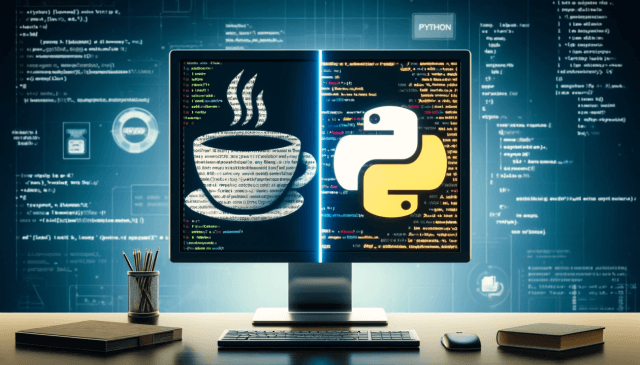
Python vs Java in 2025 – Which One Should You Learn First? When it comes to programming languages, two names dominate the IT world — Python and Java. When choosing the right programming language to learn in 2025, Python and Java often top the list for aspiring developers and IT professionals. Both have stood the test of time and remain in high demand across various sectors. But which one should you learn first? Let’s examine this decision in light of current IT industry trends and the latest offerings in IT training courses. Know more Table of Contents Python in 2025 – Versatility and Simplicity Python continues to grow in popularity, particularly due to its versatility and ease of learning. It is a go-to language in fields such as: Data Science & Machine Learning Web Development (using Django/Flask) Automation and Scripting Cybersecurity Artificial Intelligence & Deep Learning Thanks to its clean syntax, Python is often recommended as the first language for beginners. Major tech companies like Google, Netflix, and Instagram rely heavily on Python for backend development and AI-driven applications. Java in 2025 – Enterprise Stability and Performance Despite being over two decades old, Java remains a powerhouse in enterprise environments. It dominates in: Enterprise Applications Android Development Banking and Financial Software Big Data (via tools like Apache Hadoop and Apache Spark) Cloud Computing Solutions Java’s performance, scalability, and robust architecture make it a preferred choice for large-scale systems. It’s the language behind many legacy applications and systems in Fortune 500 companies. Demand in the IT Job Market According to job trends in 2025, both Python and Java are among the top 5 most in-demand programming languages. However, they cater to slightly different audiences: Python Jobs: Data Analysts, Machine Learning Engineers, Automation Testers, Cybersecurity Analysts, and Full Stack Developers. Java Jobs: Software Engineers, Backend Developers, Mobile App Developers (Android), and Cloud Application Developers. If you’re aiming for a data or AI-driven role, Python is the clear winner. If enterprise systems or mobile development interest you, Java is still a safe and rewarding bet. IT Training Courses and Certifications In 2025, online and in-person IT training providers offer comprehensive learning paths for both Python and Java. Popular Python Certifications: Python for Data Science (Coursera, edX) Certified Python Developer (PCAP by Python Institute) AI/ML Python Specializations Popular Java Certifications: Oracle Certified Professional: Java SE 17 Developer Java Spring Boot Web Development Courses Java for Android Certification Many bootcamps and e-learning platforms (Udemy, Coursera, Simplilearn) now offer career-aligned roadmaps that start with either Python or Java based on your target job role. Ease of Learning and Community Support Python is often regarded as beginner-friendly due to its readable syntax and fewer lines of code. Java, while more verbose, introduces solid programming concepts like OOP (Object-Oriented Programming) early on, which can be beneficial long-term. Both languages enjoy strong community support, extensive documentation, and thousands of libraries and frameworks. Which One Should You Learn First in 2025? Learn Python First If: You’re from a non-IT background and want to enter IT quickly. You want to explore Data Science, AI, or automation. You prefer an easier learning curve with faster results. Learn Java First If: You want to work in enterprise IT companies. You’re aiming for Android or backend development. You prefer strong foundations for complex, scalable applications. Trendnologies Advantage – Learn Python & Java with Job Guarantee At Trendnologies, we train students in both Python and Java, ensuring they are industry-ready in 2025 and beyond. Our training includes: Hands-on projects in AI, Data Science, and Software Development. Placement training & mock interviews to crack IT jobs. Beginner-friendly approach for non-IT students. 100% Job Placement Guarantee in leading companies. Branches in Chennai, Coimbatore, and Bangalore for easy access. Final Verdict: Which Should You Learn First? Learn Python first if you’re new to coding, aiming for data-driven careers, or interested in fast prototyping and automation. Learn Java first if you’re focused on enterprise-level development, Android mobile apps, or want a solid foundation in object-oriented design. FAQs – Python vs Java in 2025 1. Is Python better than Java in 2025? Both are powerful. Python is better for AI, Data Science, and quick learning, while Java is best for enterprise systems and backend applications. 2. Which is easier to learn for beginners? Python is easier due to its simple syntax and beginner-friendly nature. 3. Are there more jobs for Python or Java in 2025? Both are in demand. Python jobs are booming in AI/ML and data analytics, while Java roles remain strong in enterprise IT and backend systems. 4. Can I learn Python and Java together? Yes! Many developers learn Python first and then move to Java. At Trendnologies, we provide structured courses covering both. 5. Is Java outdated compared to Python? No. While Python is modern and versatile, Java is still a backbone of enterprise IT, banking, and large-scale applications. 6. Which has better salary growth – Python or Java? Both offer excellent salaries. Python roles in AI/ML can be higher-paying, while Java developers in MNCs and enterprise systems also earn competitive packages. 7. Do I need coding knowledge before learning Python or Java? Not necessarily. At Trendnologies, we train beginners from scratch, including students from non-IT backgrounds. 8. Is Python enough to get a job? Yes. With Python and tools like SQL, Power BI, and Machine Learning, you can land roles in analytics, AI, and web development. 9. How long does it take to learn Python or Java? Python can be learned in 3–4 months for job readiness, while Java may take 5–6 months due to its deeper concepts. 10. Does Trendnologies offer placement assistance for Python & Java? Yes! We provide 100% job placement guarantee with interview training, resume building, and company tie-ups. In conclusion, both languages are excellent choices in 2025, and the decision largely depends on your career goals and preferred learning path. The good news? Learning one makes it easier to learn the other later on. Follow us for Regular Updates & Offers

Read More

The 5 Worst Mistakes Students Make in Online IT Courses

The 5 Worst Mistakes Students Make in Online IT Courses Online IT courses have opened the door for students and professionals worldwide to learn new skills and switch careers — even from Non-IT to IT. But while these courses offer flexibility and convenience, many learners fail to achieve their goals due to common mistakes. If you’re taking or planning to take an online IT course, avoid these five worst mistakes to make your learning journey more effective. Table of Contents Not Having a Clear Learning Goal Many students sign up for IT courses without a specific goal in mind. They start with enthusiasm but quickly lose focus. The fix: Identify your end goal before enrolling. Choose a course that aligns with your career path — whether it’s becoming a Software Tester, Data Analyst, AWS Cloud Engineer, or Full-Stack Developer. Break your learning into milestones. Skipping Practical Exercises IT careers require hands-on skills. Yet, some students watch lectures but skip assignments or projects. This leads to weak practical knowledge and poor job readiness. The fix: Practice every concept immediately after learning it. Work on real-world projects to build a strong portfolio. At Trendnologies, we ensure students apply theory in live projects to prepare for industry challenges. Avoiding Interaction with Trainers and Peers Online learning doesn’t mean learning alone. Many students hesitate to ask questions or engage in discussions, missing out on valuable insights. The fix: Use discussion forums, chat groups, and Q&A sessions to connect with instructors and classmates. Don’t hesitate to clarify doubts — in IT, small misunderstandings can lead to bigger problems later. Not Staying Consistent Procrastination is a major reason students fail to finish online courses. Inconsistent study habits slow progress and lead to forgetting key concepts. The fix: Create a fixed study schedule and stick to it. Set small daily or weekly learning targets. Trendnologies provides mentor guidance to help students stay on track until they are job-ready. Ignoring Soft Skills and Interview Preparation Technical skills alone don’t guarantee a job. Many students overlook communication, problem-solving, and interview skills, which are essential for landing an IT role. The fix: Dedicate time to improving soft skills. Practice mock interviews regularly. At Trendnologies, we provide resume building, interview preparation, and placement support to ensure complete job readiness. How Trendnologies Helps You Avoid These Mistakes Specialised IT courses for both beginners and career changers Hands-on training with real-world projects for practical knowledge Mentor support to keep you consistent and motivated Soft skills & interview training alongside technical learning 100% Job Placement Guarantee with dedicated placement team Flexible online and offline learning from branches in Chennai, Coimbatore, and Bangalore Final Thoughts Online IT courses can transform your career, but only if you approach them with the right mindset and discipline. Avoidin`g these five common mistakes can save you time, effort, and frustration. Frequently Asked Questions (FAQs) 1. Can I complete an online IT course while working full-time? Yes. With proper time management and flexible schedules, it’s possible. 2. How important are projects in IT learning? Projects are critical — they demonstrate your skills to employers. 3. Do you provide live sessions or only recorded videos? At Trendnologies, we offer live interactive classes with recordings for review. 4. How can I stay motivated in an online course? Set clear goals, track progress, and stay engaged with trainers and peers. 5. Will I get placement assistance after an online course? Yes, we provide 100% Job Placement Guarantee with interview support. 6. Can I shift from Non-IT to IT through an online course? Absolutely. Many of our students have made successful career transitions. 7. Do you offer EMI payment options? Yes, we provide easy EMI plans for fees. At Trendnologies, we combine expert-led training, practical projects, mentorship, and guaranteed job placement to make sure your online IT Courses ends with a job offer — not just a certificate. Follow us for Regular Updates & Offers

Read More
AWS Cloud Engineer roadmap

AWS Cloud Engineer Roadmap: Step-by-Step from Zero to Job

AWS Cloud Engineer Roadmap:(Step-by-Step from Zero to Job) Cloud computing has become the backbone of today’s digital world. From startups to tech giants, every company is moving to the cloud. Among all cloud platforms, Amazon Web Services (AWS) leads the market, creating thousands of high-paying career opportunities for cloud engineers. If you’re starting from scratch and wondering how to land your first cloud job, this blog will guide you with a clear AWS Cloud Engineer roadmap—step by step, from zero knowledge to job-ready skills. At Trendnologies, we help students and career switchers learn practical skills through real-time projects, interview training, and placement support. So, let’s dive in! Why Choose AWS Cloud Engineering? Before we start with the roadmap, here’s why AWS cloud roles are in demand: AWS is used by 90% of Fortune 500 companies. Cloud engineers earn an average of ₹6–12 LPA in India (and even more with experience). Flexible career options: Cloud Architect, DevOps Engineer, Security Engineer, Data Engineer, and more. The skill demand is growing rapidly across IT, finance, healthcare, and e-commerce industries. Step 1: Understand the Basics of Cloud Computing Every AWS Cloud Engineer roadmap starts with the fundamentals. You need to clearly understand: What is cloud computing? Benefits of the cloud (scalability, cost-effectiveness, flexibility). Types of cloud models (Public, Private, Hybrid). Basic concepts of storage, networking, and security. Spend 1–2 weeks building this foundation before moving ahead. Step 2: Get Familiar with AWS Core Services AWS offers 200+ services, but as a beginner, focus on the most important ones: EC2 (Virtual servers) S3 (Storage) RDS (Databases) VPC (Networking) IAM (Security and permissions) Lambda (Serverless computing) Tip: Don’t just read—practice. Create a free AWS account and try deploying small applications. Step 3: Learn Linux, Networking & Scripting To succeed as a cloud engineer, you need supporting skills: Linux basics: File handling, permissions, package management. Networking concepts: DNS, Load Balancers, VPNs, IP addresses. Scripting: Bash or Python for automation. These skills make you confident when working on real projects. Step 4: Certification Path Certifications help you stand out. The most popular ones in the AWS Cloud Engineer roadmap are: AWS Certified Cloud Practitioner (Beginner) AWS Certified Solutions Architect – Associate AWS Certified SysOps Administrator – Associate AWS Certified DevOps Engineer – Professional You don’t need all at once—start with the Cloud Practitioner, then move up as you gain experience. Step 5: Work on Real-Time Projects Employers don’t just want theory—they need skills. Build small but practical projects such as: Hosting a website on AWS EC2. Creating a serverless app with AWS Lambda. Setting up auto-scaling and load balancing. Deploying a database on RDS. At Trendnologies, our students practice with real-time projects, which boosts their confidence and resume. Step 6: Build DevOps & CI/CD Skills Modern cloud engineers often work with DevOps tools. Learn how to: Use Git/GitHub for version control. Set up Jenkins pipelines. Work with Docker and Kubernetes for containerization. Automate deployments on AWS. These skills make you more job-ready. Step 7: Prepare for Interviews & Soft Skills Once you’ve built your technical skills, prepare for job applications: Create a professional resume highlighting your AWS projects. Practice cloud-related interview questions. Focus on problem-solving and scenario-based questions. Build communication and teamwork skills. At Trendnologies, we provide mock interviews and 100% placement support so you’re fully prepared. AWS Cloud Engineer Roadmap: Quick Checklist Here’s a simplified roadmap for quick reference: ✅ Learn Cloud Basics ✅ Master AWS Core Services ✅ Practice Linux, Networking & Scripting ✅ Earn Certifications ✅ Build Real-Time Projects ✅ Learn DevOps Tools ✅ Prepare for Interviews Final Thoughts Becoming an AWS Cloud Engineer isn’t about rushing—it’s about building step-by-step skills. Follow this AWS Cloud Engineer roadmap, stay consistent, and practice regularly. Within a few months, you can transform from beginner to a cloud professional with high-paying opportunities. At Trendnologies, we guide students through this journey with hands-on training, real projects, and placement support in top IT companies. Ready to Start Your Cloud Career? Don’t just dream about working in the cloud—make it your career today. Join Trendnologies’ AWS Cloud Training Program and become job-ready in just 60 days with practical projects, expert guidance, and guaranteed placement support. Enroll now and start your cloud journey with confidence! FAQs About Python Developer Skills 1. How long does it take to become an AWS Cloud Engineer? With consistent learning, you can become job-ready in 4–6 months. 2. Do I need programming skills for AWS? Basic scripting (Python or Bash) helps but isn’t mandatory at the start.   3. Is certification required to get a cloud job? Not mandatory, but certifications like AWS Solutions Architect boost your chances. 4. Can a fresher become an AWS Cloud Engineer? Yes! Many freshers start directly after training and projects.   5. Is AWS better than Azure or Google Cloud? AWS dominates the market and offers more job opportunities.   6. Do I need Linux knowledge for AWS? Yes, basic Linux is highly recommended for managing cloud servers. 7. How much can I earn as a beginner AWS Cloud Engineer in India? Freshers usually earn ₹4–6 LPA, and experienced engineers can earn ₹12 LPA or more. 8. What are the top AWS services to learn first? Focus on EC2, S3, RDS, VPC, IAM, and Lambda. 9. Do I need prior IT experience to learn AWS? No, even non-IT professionals can switch to AWS with proper training. 10. Where can I get practical AWS training? At Trendnologies, we offer real-time projects, interview prep, and placement support to make you industry-ready. Follow us for Regular Updates & Offers

Read More

Register Your Demo Slot

    Quick Enquiry


      Register to Achieve Your Dream Career


        Wait!! Don't skip your Dream Career

        Enroll Today & Start Your Learning Journey

          Get in Touch with us


            5 + 6 =