
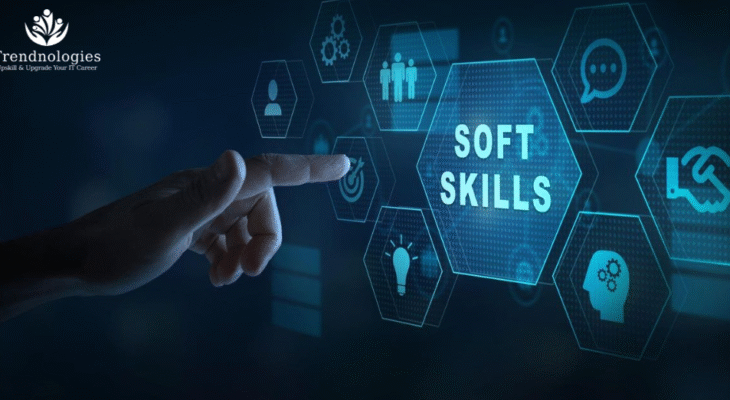
Essential Soft Skills Every IT Professional Should Master

Essential Soft SkillsEvery IT Professional Should Master The IT industry is often perceived as a world of coding, systems, and complex technologies. While technical expertise is undoubtedly the backbone of a successful IT career, the truth is that soft skills play an equally vital role in determining long-term growth. As organizations prioritize collaboration, adaptability, and leadership in a fast-evolving digital landscape, mastering Top soft skills for IT jobs is no longer optional—it’s essential. If you are preparing to advance in your IT career, combining technical skills with strong interpersonal abilities will make you stand out. Institutes like the best software training institute in Chennai emphasize not only technical expertise but also holistic development to prepare learners for real-world success. In this blog, we’ll explore the essential soft skills IT professionals should focus on, why they matter, and how they can transform your career. Table of Contents Communication: The Foundation of Every IT Role In IT, communication goes beyond writing emails or attending meetings. Professionals must explain technical concepts to non-technical stakeholders, present project updates clearly, and collaborate across teams. Whether you’re an IT support engineer or a cloud architect, your ability to communicate complex ideas in a simple manner is crucial. Good communication builds trust, reduces errors, and ensures smooth project delivery. Active listening is equally important—it shows respect for colleagues’ viewpoints and helps resolve problems faster. Among the Top soft skills for IT jobs, communication remains the most sought-after. Problem-Solving: A Core Skill in the Tech World Every IT professional faces challenges, whether it’s fixing a bug, optimizing a system, or meeting a project deadline. Problem-solving isn’t just about finding answers quickly; it’s about analyzing issues logically, considering multiple solutions, and implementing the most effective one. Employers value professionals who can troubleshoot under pressure and make sound decisions. This is why problem-solving ranks high in the Top soft skills for IT jobs across all roles. Teamwork and Collaboration Modern IT projects often involve cross-functional teams, from developers and designers to cybersecurity specialists and project managers. The ability to collaborate harmoniously is a hallmark of a successful IT professional. Teamwork ensures that projects move forward efficiently, conflicts are minimized, and innovation thrives. When professionals support one another, they achieve outcomes that are far greater than what individuals could accomplish alone. This makes collaboration one of the Top soft skills for IT jobs globally. Adaptability in a Rapidly Changing Field Technology evolves at lightning speed. New tools, frameworks, and methodologies appear almost every month. IT professionals must adapt quickly to changes while staying open to learning. Adaptability shows employers that you can handle shifts in project requirements, embrace new technologies, and remain relevant in the digital era. Continuous learning is key—enrolling in programs such as cloud courses training can help you stay ahead. No wonder adaptability consistently appears in the Top soft skills for IT jobs list. Leadership and Emotional Intelligence Leadership is not limited to managerial roles. Even as a junior developer or systems engineer, showing initiative, motivating peers, and making confident decisions are leadership traits. Equally important is emotional intelligence—the ability to understand your own emotions and those of others. It helps professionals handle stress, resolve conflicts, and build strong workplace relationships. Leadership skills combined with emotional intelligence form a core part of the Top soft skills for IT jobs. Time Management and Prioritization Deadlines are part of every IT project. Professionals must juggle multiple tasks, prioritize effectively, and deliver quality results without burnout. Time management doesn’t mean working longer hours; it means working smarter—breaking down tasks, setting realistic goals, and eliminating distractions. Leadership skills combined with emotional intelligence form a core part of the Top soft skills for IT jobs. Critical Thinking and Decision-Making Critical thinking allows IT professionals to evaluate problems objectively, consider different perspectives, and anticipate risks. Instead of rushing into solutions, critical thinkers analyze facts and evidence to make informed decisions. This skill ensures that IT solutions are efficient, scalable, and sustainable. For instance, when designing a cloud architecture, critical thinking ensures that performance, cost, and security are all considered. Employers consistently identify it as one of the Top soft skills for IT jobs. Networking and Relationship Building Professional growth in IT doesn’t come solely from skills; it also comes from the relationships you build. Networking allows you to learn from peers, explore career opportunities, and gain industry insights. Strong professional relationships within your team, with clients, and across organizations create a support system that helps you grow faster in your career. Relationship-building remains among the Top soft skills for IT jobs for professionals at all levels. Creativity and Innovation Innovation is at the heart of IT. From building mobile apps to creating secure systems, creativity drives problem-solving and helps professionals develop unique solutions. Employers highly value IT professionals who can think outside the box and introduce fresh ideas to improve efficiency, security, or customer experience. Creativity is undoubtedly one of the Top soft skills for IT jobs to thrive in modern workplaces. Continuous Learning and Curiosity Finally, one of the most important soft skills is the curiosity to learn continuously. The IT field never stands still, and those who embrace lifelong learning will always have an edge. Upskilling with specialized programs like cloud computing, DevOps, or data analytics keeps you competitive. Institutes like the best software training institute in Chennai focus on equipping students with both technical and soft skills, ensuring they are industry-ready. Continuous learning cements itself as one of the Top soft skills for IT jobs in 2025 and beyond. Final Thoughts Soft skills are the hidden strengths that amplify your technical expertise. In today’s IT-driven economy, mastering them can make you more employable, confident, and future-ready. Whether you are a beginner or an experienced professional, focusing on communication, adaptability, problem-solving, and leadership will significantly enhance your career. By pairing these Top soft skills for IT jobs with advanced training programs, you can achieve the perfect balance of technical mastery and personal effectiveness. FAQs: Essential Soft Skills Every IT Professional Should Master

Read More

Non-coding IT careers

The Role of AI in Shaping Future IT Job Opportunities

The Role of AI in Shaping Future IT Job Opportunities Introduction The IT world is changing faster than ever. For students, freshers, and career switchers, the big question is: “What will Future IT Job Opportunities look like?” At Trendnologies, we see this shift every day in classrooms. Students no longer just prepare for today’s jobs—they prepare for tomorrow’s. With hands-on projects, real-time training, and placement support, Trendnologies helps learners step confidently into the future IT job opportunities that AI and new technologies are creating. Let’s explore how the IT career landscape is reshaping and what it means for you. Why “Future IT Job Opportunities” Matter Today Technology is advancing at lightning speed. Many traditional IT roles are evolving into specialized, AI-powered jobs. Companies want problem solvers, critical thinkers, and tech-ready professionals. Students who prepare now will have an edge in tomorrow’s IT job market. If you’re a fresher or switching careers, understanding future IT job opportunities is the first step to building a solid path. Top Future IT Job Opportunities You Should Know Table of Contents 1. Data Analysts & Business Analysts Every company runs on data. The demand for future IT job opportunities in analytics is skyrocketing. Analysts who can turn raw numbers into smart decisions will always stay in demand. Skills needed: Excel, SQL, Python, Business intelligence tools 2. Cloud Specialists Businesses are shifting to the cloud. This means future IT job opportunities in cloud computing will keep expanding. Roles include Cloud Engineers, Cloud Security Specialists, and DevOps Engineers. Skills needed: AWS, GCP, Azure, Kubernetes 3. Cybersecurity Experts With digital growth comes security risks. Future IT job opportunities will heavily focus on securing networks, applications, and data. Cybersecurity professionals are now among the most sought-after in IT. Skills needed: Ethical hacking, Networking, Risk management 4. Software Testers (Manual + Automation) Every app needs to be tested before launch. Future IT job opportunities in testing will rise as software becomes more complex. Manual testers are evolving into automation testers who use tools to speed up quality checks. Skills needed: Selenium, TestNG, JUnit, Automation frameworks 5. AI & Machine Learning Specialists While AI is reshaping industries, it’s also creating new future IT job opportunities. From chatbots to recommendation systems, skilled professionals who can build smart systems are in demand. Skills needed: Python, TensorFlow, ML algorithms 6. Web & App Developers As businesses go digital-first, developers remain core to future IT job opportunities. Full-stack developers, mobile app developers, and UX/UI specialists are always required. Skills needed: HTML, CSS, JavaScript, React, Flutter How Students Can Prepare for Future IT Job Opportunities Identify your strength – coding, problem solving, design, or communication. Choose the right course – don’t just learn, practice with real projects. Focus on placements – training with placement support (like at Trendnologies) makes your learning worthwhile. Stay updated – IT is fast-moving; learning never stops. Quick Summary Here’s a simple breakdown of how to prepare for future IT job opportunities: Data Analytics → Learn SQL, Python, BI tools Cloud Computing → Learn AWS, Azure, GCP Cybersecurity → Learn Ethical Hacking, Networking Software Testing → Learn Automation tools Web Development → Learn React, JavaScript Continuous Learning → Stay flexible and adaptable FAQs – Still Got Questions? Let’s Clear Them Up! 1. What are the top future IT job opportunities for freshers? Data analytics, software testing, cloud computing, and web development. 2. Do I need coding skills for all IT jobs? No, roles like business analysis, manual testing, and project management need less coding. 3. How is AI creating future IT job opportunities? AI automates tasks but also creates roles in data science, ML, and automation testing.   4. Can non-IT graduates find IT jobs? Yes, many non-IT students move into testing, data analysis, and digital roles with proper training.   5. What courses should I take for future IT job opportunities? Courses in data analytics, cloud computing, software testing, and development are most in demand.   6. Which IT job has the highest demand in India? Currently, data analytics, cloud specialists, and automation testers top the list.   7. Is software testing still a good career? Yes, especially with automation testing—it’s one of the strongest future IT job opportunities.   8. How can Trendnologies help me get into IT? With hands-on training, real-time projects, and 100% placement support.   9. What skills matter most for future IT job opportunities? Problem-solving, adaptability, cloud knowledge, data analysis, and testing skills.   10. How long does it take to prepare for IT jobs? With focused training (like 60-day programs at Trendnologies), you can be job-ready quickly. Your career tomorrow depends on what you do today. Get ready for the Future IT Job Opportunities waiting for you.Join Trendnologies → Learn real skills → Land your dream job in just 60 days! Follow us for Regular Updates & Offers

Read More

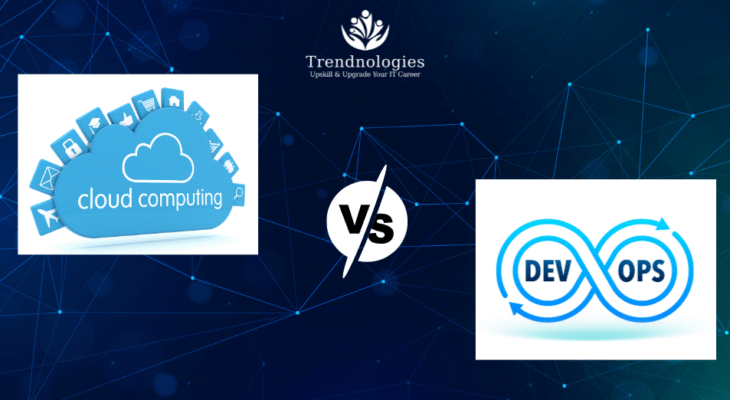
Cloud Computing vs DevOps: Which Career Path Should You Choose?

Cloud Computing vs DevOps:Which Career Path Should You Choose? In today’s IT-driven world, two of the most talked-about career paths are Cloud Computing and DevOps. Both fields are booming, have global demand, and offer excellent career growth. However, many learners, job seekers, and IT professionals often find themselves asking: “Which is better—Cloud Computing or DevOps?” That’s where the comparison of the Cloud Computing vs DevOps career path becomes crucial. This blog dives deep into both domains, compares their scope, skills required, and opportunities, and helps you make an informed decision. If you’re considering training, connecting with the best software training institute in Chennai can give you the right foundation and guidance. Table of Contents Understanding Cloud Computing Cloud Computing is the delivery of computing services—including servers, storage, networking, software, and databases—over the internet. Instead of maintaining physical infrastructure, companies use cloud service providers like AWS, Azure, and Google Cloud. Key benefits of Cloud Computing include: Scalability without physical limitations Reduced infrastructure costs Enhanced security and compliance Remote accessibility for global teams With industries rapidly shifting toward the cloud, Cloud Computing professionals are in constant demand, making it one of the strongest contenders in the Cloud Computing vs DevOps career path debate. Understanding DevOps DevOps is not a technology but a cultural and technical approach that bridges the gap between software development and IT operations. It focuses on automation, continuous integration, continuous delivery (CI/CD), and faster deployment cycles. Key benefits of DevOps include: Faster time to market Better collaboration between developers and operations teams Automated workflows for improved efficiency Continuous monitoring and feedback for product improvement For learners analyzing the Cloud Computing vs DevOps career path, DevOps provides a strong future for those passionate about automation and agile software delivery. Skill Sets Required: Cloud Computing vs DevOps: To make the right choice, you need to understand the skills demanded in each path: Cloud Computing Skills Proficiency in AWS, Azure, or Google Cloud Networking and security fundamentals Virtualization and containerization Cloud storage and database management Infrastructure as a Service (IaaS) and Platform as a Service (PaaS) DevOps Skills Knowledge of CI/CD pipelines Tools like Jenkins, Git, Docker, Kubernetes Scripting (Python, Bash, YAML) Configuration management (Ansible, Puppet, Chef) Monitoring and logging systems (Nagios, Prometheus, ELK stack) Your interest in these skills should guide you while deciding on the Cloud Computing vs DevOps career path. Career Opportunities in Cloud Computing The demand for Cloud Engineers, Cloud Architects, and Cloud Security Specialists continues to rise. Organizations across industries such as healthcare, banking, e-commerce, and logistics are actively hiring cloud experts to migrate systems, optimize performance, and ensure data security. Job roles in Cloud Computing: Cloud Architect Cloud Engineer Cloud Consultant Cloud Security Specialist Cloud Administrator For aspirants considering the Cloud Computing vs DevOps career path, cloud roles are more suited to those interested in infrastructure and enterprise architecture. Career Opportunities in DevOps DevOps professionals are at the heart of modern IT workflows. Companies want faster delivery cycles, and DevOps practices help achieve that. Job roles in DevOps: DevOps Engineer Site Reliability Engineer (SRE) Build and Release Engineer Automation Engineer Infrastructure Engineer Anyone drawn toward automation and agile methodologies may find DevOps a better option in the Cloud Computing vs DevOps career path. Salary Comparison: Cloud Computing vs DevOps Salaries vary depending on experience, skills, and location. However, both fields are highly rewarding: Cloud Computing professionals earn competitive salaries due to the high complexity and responsibility of managing cloud environments. DevOps professionals are equally valued, especially for their expertise in automation and streamlining operations. On average, both fields offer 6–20 LPA in India, depending on expertise, certifications, and experience. Salary is one of the biggest decision factors in the Cloud Computing vs DevOps career path comparison. Which One Should You Choose? The decision depends on your career interests: Choose Cloud Computing if you are fascinated by infrastructure, networking, storage, and managing cloud environments. It’s more suited for people who enjoy designing scalable systems and working with enterprise-level IT architecture. Choose DevOps if you are more inclined toward automation, development cycles, and collaboration. It’s ideal if you like coding, continuous deployment, and working on tools that improve productivity. Some professionals even choose to combine both skills, as Cloud and DevOps often intersect in modern IT projects. This makes the Cloud Computing vs DevOps career path even more flexible for learners. Training and Guidance If you’re serious about building a career in either Cloud Computing or DevOps, enrolling in a structured program is the best step forward. A reputed institute like the best software training institute in Chennai can provide real-world training, hands-on labs, and placement assistance. For learners based in specific areas, exploring specialized programs such as cloud courses training in chennai can also give you access to localized coaching with global-standard knowledge. Final Thoughts Both Cloud Computing and DevOps are future-proof career paths with massive opportunities. Instead of asking which is “better,” think about which aligns with your personal strengths and long-term goals. Whether you choose to specialize in one or combine both, the IT industry will continue to value your skills. At the end of the day, the Cloud Computing vs DevOps career path question doesn’t have a one-size-fits-all answer—it’s about which path resonates with your ambitions. FAQs on Cloud Computing vs DevOps: Which Career Path Should You Choose? 1. Can I learn both Cloud Computing and DevOps together? Yes. Many organizations expect professionals to have knowledge in both, as DevOps pipelines often rely on cloud infrastructure. 2. Is Cloud Computing mandatory for DevOps? Not mandatory, but having cloud knowledge enhances your DevOps skills since most CI/CD workflows are deployed on cloud platforms. 3. Which certification is best for Cloud Computing beginners? AWS Certified Cloud Practitioner, Microsoft Azure Fundamentals, and Google Cloud Associate Engineer are great starting points. 4. What are the best DevOps certifications for beginners? Certifications like Docker Certified Associate, Kubernetes CKA, and Azure DevOps Engineer Expert are highly valued. 5. Which has more coding—Cloud Computing or DevOps? DevOps generally involves more scripting

Read More

Register Your Demo Slot

    Quick Enquiry


      Register to Achieve Your Dream Career


        Wait!! Don't skip your Dream Career

        Enroll Today & Start Your Learning Journey

          Get in Touch with us


            5 + 6 =